Best ERV System in India: International Standards, HRV vs ERV and Why Indian Conditions Are Different
How InAir's ERV systems compare to international standards. HRV vs ERV for Indian climates. Why Indian homes need ERV over HRV. ASHRAE, WHO air quality guidelines and InAir performance.
Introduction
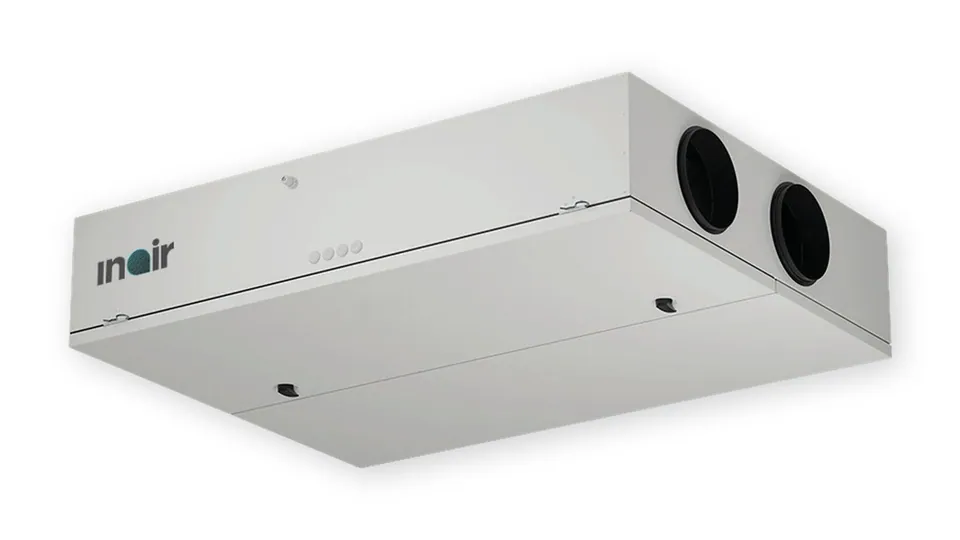
In an era where indoor air quality has gained international attention, Inair's ventilation system has emerged as a global benchmark, redefining convenience, comfort, and efficiency. As societies worldwide strive for healthier indoor environments, Inair's revolutionary approach has transcended borders, setting new standards and surpassing rigorous testing benchmarks. This article explores how Inair's ventilation system has taken the lead on convenience and comfort, positioning itself as a true game-changer on the global stage.
A Paradigm Shift in Indoor Air Quality
Indoor air quality has become a global concern due to its direct impact on health and well-being. Inair recognized the need for a transformative solution, one that would not only enhance air quality but also set a new standard for convenience and comfort. With a visionary approach, Inair's ventilation system was designed to exceed expectations and address the challenges of modern living.
Surpassing Testing Benchmarks
Inair's commitment to excellence is evident in the rigorous testing its ventilation system has undergone. From laboratory settings to real-world scenarios, Inair's systems have consistently outperformed established benchmarks. The ventilation system's ability to consistently provide fresh air, eliminate pollutants, and maintain optimal humidity levels has garnered international recognition.
Ahead on Convenience and Comfort
Smart Ventilation: Inair's ventilation system has incorporated smart technology to ensure maximum convenience for users. With real-time data collection and analysis, the system adapts ventilation rates based on occupancy and air quality, optimizing comfort without requiring constant manual adjustments.
User-Friendly Interface: Inair's intuitive user interfaces, whether through smartphone apps or touch panels, allow users to effortlessly control and monitor ventilation settings. This level of control not only enhances convenience but also empowers users to create customized indoor environments.
Silent Operation: Recognizing the importance of a peaceful indoor environment, Inair's system operates almost silently, enhancing comfort and minimizing noise disturbances.
Energy Efficiency: Inair's ventilation system not only improves air quality but also prioritizes energy efficiency. By incorporating advanced technologies like heat recovery ventilation (HRV) and energy recovery ventilation (ERV), the system optimizes energy consumption while maintaining comfort.
Global Relevance and Adoption
Inair's ventilation system has transcended geographical boundaries, gaining traction in various international contexts:
Residential Spaces: In homes across the globe, Inair's system ensures a healthier living environment, contributing to enhanced well-being for families.
Commercial Establishments: Offices, retail spaces, and hospitality ventures have embraced Inair's technology to provide customers and employees with a more comfortable and inviting atmosphere.
Healthcare Facilities: Hospitals and clinics benefit from Inair's ability to maintain sterile environments and promote patient health.
Industrial Applications: Inair's solutions have revolutionized industrial spaces by ensuring worker safety and comfort while optimizing energy usage.
Conclusion
Inair's ventilation system has emerged as a true global benchmark in the field of indoor air quality and comfort. Its ability to surpass rigorous testing benchmarks and its focus on convenience, comfort, and energy efficiency have elevated it to a status of international recognition. As the world acknowledges the significance of healthier indoor environments, Inair's technology sets the stage for a future where comfort, well-being, and cutting-edge innovation coexist seamlessly. With its global impact, Inair's ventilation system is shaping a more comfortable and healthier tomorrow for individuals and communities worldwide.
Which is better for India — ERV or HRV?
How do InAir ERV systems compare to international ERV brands?
Our engineers assess your home or building, recommend the right system and the right filter grade for your city, and give you a clear cost estimate. No obligation.