How Energy Recovery Ventilation (ERV) Works in India: Heat Recovery, Precooling and Humidity Control
How ERV energy recovery cores recover heat and humidity from outgoing stale air to precondition incoming fresh air. 80–90% heat recovery, reduced AC load, lower bills. Explained for Indian homes.
Introduction
In the pursuit of energy efficiency and improved indoor air quality, modern HVAC systems have evolved significantly. Among the innovative components that have emerged, the Energy Recovery Core (ERC) stands out as a remarkable technology. This article explores how Energy Recovery Cores play a pivotal role in recovering humidity and precooling air, contributing to enhanced comfort and efficiency in residential and commercial spaces.
Understanding the Energy Recovery Core
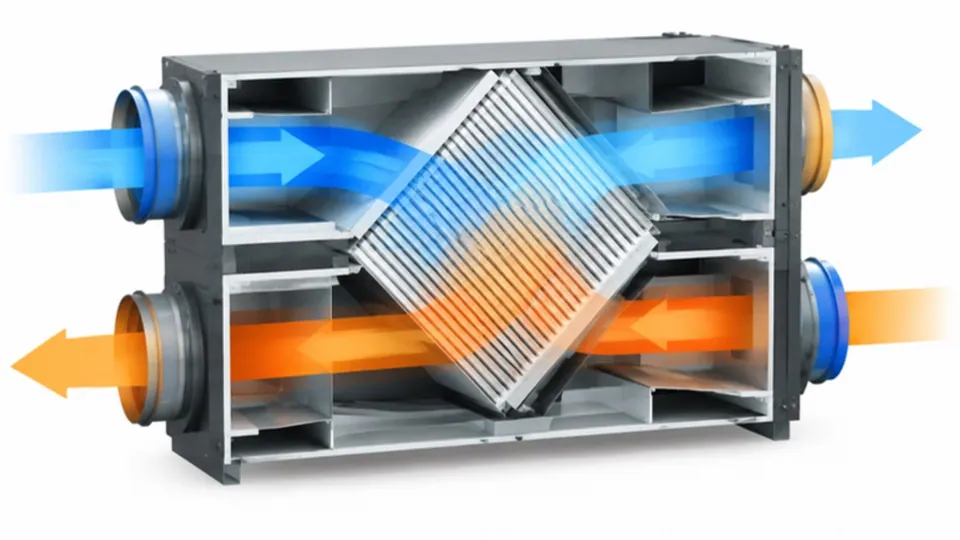
Energy Recovery Cores are integral components of Energy Recovery Ventilation (ERV) systems. These ERVs are designed to exchange stale indoor air with fresh outdoor air while maximizing energy efficiency. The core of an ERV is a heat exchanger, and it is within this exchanger that the magic of humidity recovery and precooling takes place.
Humidity Recovery
Humidity control is crucial for maintaining comfort and air quality in indoor spaces. Too much humidity can lead to discomfort and mold growth, while too little can result in dry skin and respiratory issues. Energy Recovery Cores are engineered to address this challenge effectively.
As indoor air is expelled from a building, it passes through one side of the ERC. Simultaneously, fresh outdoor air is drawn through the other side of the core. During this process, the ERC efficiently transfers moisture vapor from the humid exhaust air to the dry incoming air. In the summer, when outdoor air is hot and humid, this moisture transfer process helps dehumidify and improve the comfort of the incoming air.
Precooling Air
In warmer climates, one of the primary challenges is keeping indoor spaces cool and comfortable without overtaxing the air conditioning system. Energy Recovery Cores excel in this aspect as well.
During the ERC's operation, the incoming outdoor air, which is often hot, is passed through the heat exchanger. As it traverses the core, the incoming air exchanges heat with the exhaust air, which is typically cooler. This heat exchange process effectively preconditions the incoming air by cooling it down.
By precooling the incoming air, the ERC lightens the load on the air conditioning system. This means that the air conditioner doesn't have to work as hard to maintain the desired indoor temperature, resulting in reduced energy consumption and lower utility bills.
Benefits of Energy Recovery Cores
The utilization of Energy Recovery Cores in HVAC systems offers several compelling advantages:
Improved Indoor Air Quality: By maintaining optimal humidity levels and providing fresh outdoor air, ERCs enhance indoor air quality, reducing the risk of mold, allergens, and pollutants.
Energy Efficiency: ERCs help to reduce the energy demands of air conditioning systems, translating into significant energy savings over time.
Enhanced Comfort: The precooling feature of ERCs ensures that incoming air is comfortable, even on the hottest days, contributing to a more pleasant indoor environment.
Sustainability: Energy Recovery Cores align with sustainability goals by minimizing energy waste and reducing the carbon footprint of HVAC systems.
Conclusion
Energy Recovery Cores are transformative components in modern HVAC systems, offering a unique blend of humidity recovery and precooling capabilities. Their ability to optimize indoor air quality and energy efficiency makes them invaluable in residential and commercial settings alike. As we continue to prioritize energy efficiency and sustainability, the Energy Recovery Core remains a cornerstone of innovation in HVAC technology, promising a greener and more comfortable future for all.
What is the difference between ERV and HRV in Indian conditions?
How does an ERV reduce AC electricity bills in India?
What is the filter grade in InAir ERV units?
Our engineers assess your home or building, recommend the right system and the right filter grade for your city, and give you a clear cost estimate. No obligation.