Smart Home Ventilation in India: IoT, CO₂ Control and Automated Indoor Air Quality
How smart ventilation systems use IoT sensors to automate indoor air quality in Indian homes. CO₂-based demand control, PM2.5 monitoring, energy-efficient operation. Smart home India.
In the fast-paced world we inhabit today, the pursuit of comfort and efficiency is unceasing. Our homes, once mere shelters, have evolved into intricate environments that cater to our every need. Among the many technological marvels that have transformed our living spaces, the Inair smart ventilation systems stand out as a testament to innovation that has taken modern living to new heights.
The Paradigm Shift in Ventilation Systems
Traditional ventilation systems were designed to provide a basic level of air circulation, often leaving indoor air quality compromised. However, the emergence of Inair has heralded a paradigm shift in how we perceive and implement ventilation. With a focus on synergy between smart technology and optimal indoor air quality, Inair has redefined the ventilation landscape.
Seamless Integration of Technology
At the core of the Inair imperative is its seamless integration of cutting-edge technology. Leveraging the power of the Internet of Things (IoT), Inair ventilation systems are equipped with advanced sensors that constantly monitor indoor air quality metrics such as humidity, temperature, CO2 levels, and volatile organic compounds (VOCs). This real-time data collection ensures that the system operates with precision, adjusting ventilation rates to maintain an optimal living environment.
Personalized Comfort Settings
One size does not fit all, especially when it comes to comfort preferences. Inair understands this intricacy of human nature and provides an unparalleled feature that allows users to customize their ventilation settings according to their preferences. Whether you prefer a refreshing breeze or a more controlled airflow, the Inair system can be tailored to cater to your unique desires.
Energy Efficiency Redefined
Modern living doesn't just demand comfort; it also necessitates responsible energy consumption. Inair's smart ventilation systems excel in this regard, optimizing energy usage through intelligent algorithms. The system intuitively recognizes patterns in your daily routine, adjusting ventilation levels accordingly. This not only ensures a comfortable living space but also contributes to a greener environment by reducing unnecessary energy consumption.
Enhancing Indoor Air Quality
The Inair imperative extends beyond comfort and energy efficiency; it prioritizes your health and well-being. Indoor air quality is a critical determinant of our overall health, and Inair's commitment to excellence shines through in this aspect. By constantly analyzing air quality metrics, the system takes preemptive measures to eliminate pollutants, allergens, and contaminants. This proactive approach ensures that the air you breathe is of the highest quality, promoting a healthier lifestyle.
Intuitive User Experience
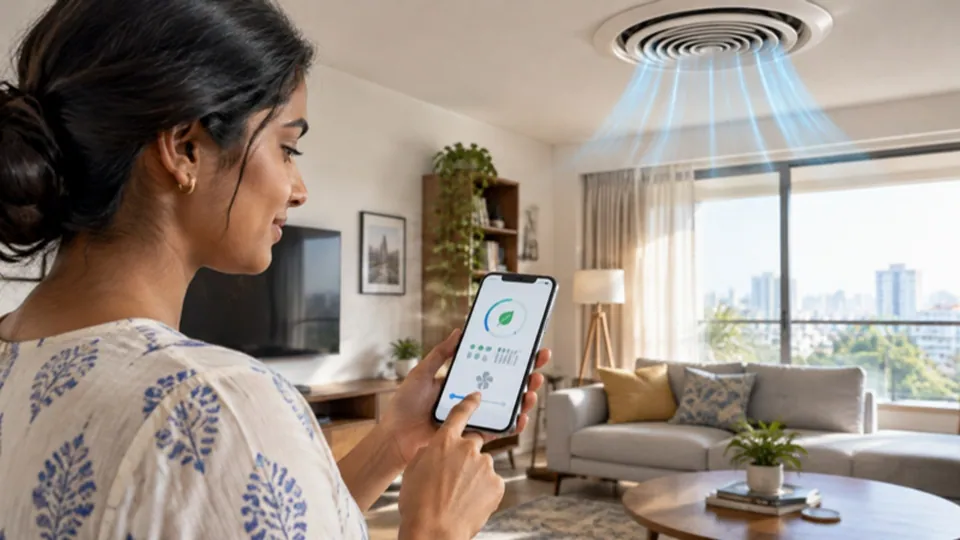
Navigating through the complexities of smart technology can be daunting, but Inair has taken this into consideration. The system boasts an intuitive user interface that empowers users of all tech-savviness levels. With a user-friendly mobile app, controlling and monitoring your ventilation system is as effortless as a few taps on your smartphone.
The Future of Modern Living
The Inair imperative isn't just about the present; it's about shaping a more comfortable, healthier, and sustainable future. As technology continues to advance, Inair remains at the forefront of innovation in the realm of smart ventilation systems. Its dedication to pushing boundaries ensures that your living space evolves with the times, adapting to your needs and desires.
In Conclusion
In the pursuit of modern living, comfort and efficiency are non-negotiable factors. The Inair smart ventilation systems have embraced these principles and taken them to unprecedented heights. With a focus on seamless technology integration, personalized comfort settings, energy efficiency, and enhanced indoor air quality, Inair has redefined the ventilation landscape. It's not just a system; it's a lifestyle imperative, a commitment to well-being, and a step towards a more sustainable future.
If you're ready to elevate your living space to the next level, embrace the Inair imperative and experience the pinnacle of comfort and innovation.
Can InAir ventilation systems be controlled from a smartphone?
Can InAir systems integrate with smart home platforms and BMS?
Our engineers assess your home or building, recommend the right system and the right filter grade for your city, and give you a clear cost estimate. No obligation.